
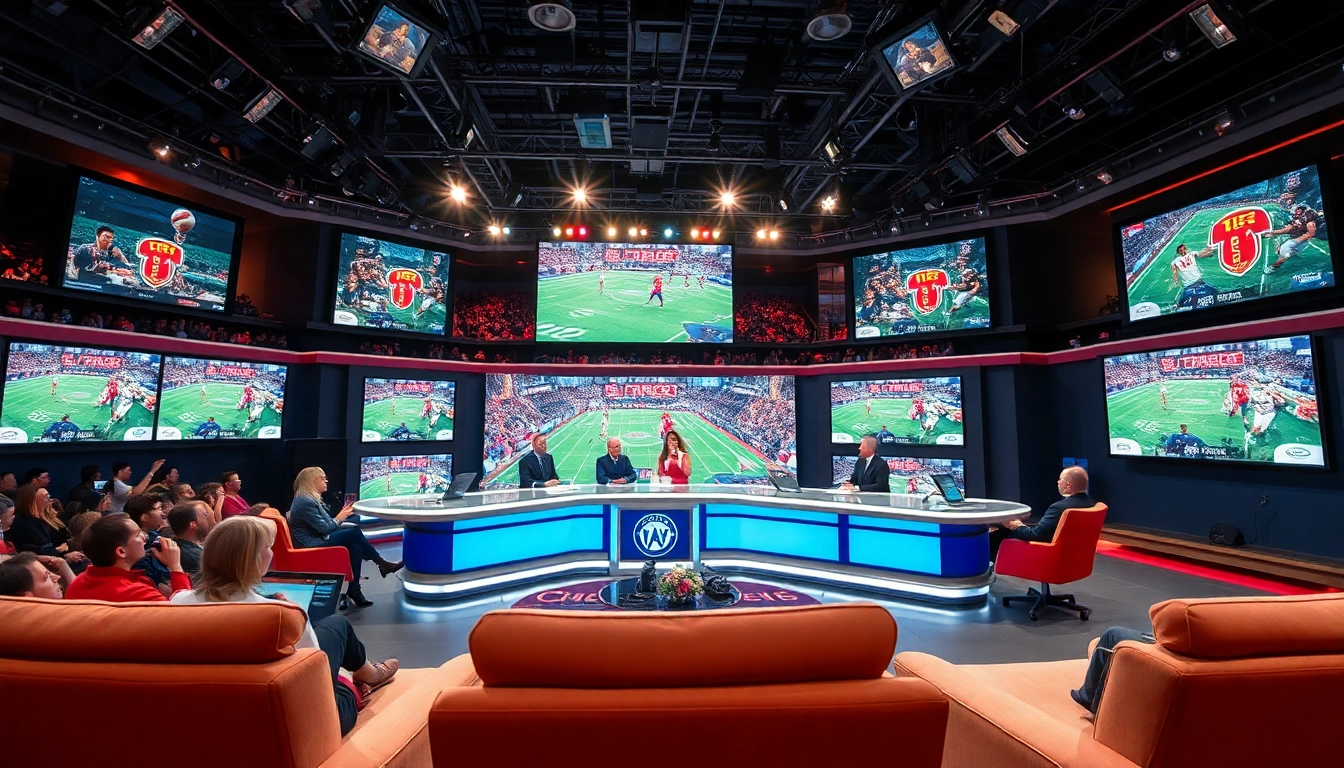
Understanding the Foundation of Sports Broadcasting
Sports broadcasting is a dynamic and evolving field that brings sports to audiences around the world. As a critical aspect of media and entertainment, it influences how fans engage with their favorite sports and athletes. With the rise of technology and shifting consumer preferences, understanding the foundation of this field is crucial for aspiring broadcasters, industry professionals, and sports enthusiasts. Each facet of sports broadcasting plays a significant role in shaping its landscape today, including history, required skills, and technological advancements. For more insights into this captivating domain, consider exploring Sports Broadcasting.
History and Evolution of Sports Broadcasting
The journey of sports broadcasting began in the early 20th century with radio broadcasts of live sporting events. The first sporting event broadcast occurred in 1921 when KDKA in Pittsburgh aired a boxing match. This innovation laid the groundwork for the seamless integration of sports into daily entertainment. Over the decades, the introduction of television transformed sports broadcasting further, increasing accessibility and allowing fans to experience events in real-time from the comfort of their homes. The boom of cable television in the '80s and '90s introduced specialized sports channels, which improved coverage and diversified programming.
As technology advanced, so did the methods of broadcasting. The advent of the internet in the late 1990s marked a new era, facilitating live streaming and digital coverage. Today, platforms utilize high-definition graphics, multi-camera angles, and real-time statistics, significantly enhancing viewer experience. Streaming services such as ESPN+ and DAZN have disrupted traditional models, creating new competitors in the advertising space.
Key Skills Required for Sports Broadcasting
To excel in the field of sports broadcasting, individuals must develop a distinctive set of skills. These include:
- Communication Skills: Clear articulation and storytelling are essential for engaging audiences.
- Research Skills: Understanding statistics and player backgrounds enriches commentary.
- Technical Proficiency: Familiarity with broadcasting equipment and software is crucial in today's tech-centric environment.
- Adaptability: Quick thinking is vital in live settings where spontaneous occurrences arise.
- Interpersonal skills: Building relationships with athletes and other professionals is fundamental for meaningful interviews.
The Role of Technology in Sports Broadcasting
Technology serves as the backbone of modern sports broadcasting, enabling a seamless viewer experience. Mobile applications, smart TVs, and enhanced streaming capabilities provide accessibility for viewers worldwide. Innovations such as augmented reality (AR) and virtual reality (VR) are also paving the way for more immersive experiences. Broadcasters can now deliver in-depth analytics, player tracking graphics, and real-time updates to fans. With artificial intelligence, predictive analysis is utilized to garner insights that enrich commentary, enhancing the consumer experience further.
Current Trends Driving Sports Broadcasting
Impact of Streaming Services on Traditional Broadcasting
The rise of streaming services has created a seismic shift in sports broadcasting. Traditional cable subscriptions are declining as audiences increasingly favor on-demand options. This trend is driven by younger demographics who prioritize flexibility and personal control over their viewing habits. Major sports leagues have begun forming partnerships with streaming platforms to capture this growing market. Live broadcasts are now more accessible, with on-the-go viewing becoming increasingly popular.
Growing Popularity of Esports in Broadcasting
Esports has surged in popularity, paralleling traditional sports broadcasting. Major networks have started dedicating airtime to esports events, showcasing competitive gaming's growing respect and fanbase. This expansion not only attracts a younger audience but also generates significant revenue through sponsorships and advertising. Additionally, esports events often utilize innovative broadcasting techniques, such as interactive viewer engagement and social media integration.
Social Media and Fan Interaction
Social media platforms are revolutionizing fan interaction and engagement in sports broadcasting. Broadcasters now have the tools to connect with audiences in real-time, sharing highlights, interviews, and behind-the-scenes content instantly. Engaging fans through Twitter polls, Instagram stories, and live Q&A sessions fosters community and loyalty. Moreover, social media provides broadcasters with immediate feedback across multiple channels, shaping the narrative around sports coverage.
Content Creation for Sports Broadcasting
Crafting Compelling Storylines
Successful sports broadcasting centers around storytelling. Broadcasters must weave narratives that resonate with audiences, enriching the experience beyond the events themselves. This involves exploring player backgrounds, team dynamics, and pivotal game moments. By understanding and highlighting the emotional aspects of sports, broadcasters can create a deeper connection with fans, fostering investment in the outcomes.
Utilizing Data and Analytics for Coverage
Data analytics plays a pivotal role in contemporary sports broadcasting. By utilizing statistics to inform commentary and predictions, broadcasters can provide audiences with detailed insights. Data visualization techniques, such as infographics and on-screen graphics, enhance comprehension and engagement. As a result, audiences are more informed and entertained, leading to a richer viewing experience.
Effective Interview Techniques with Athletes
Conducting interviews with athletes requires a unique skill set. Broadcasters must balance professionalism with approachability, ensuring athletes feel comfortable sharing insights. Crafting open-ended questions encourages depth and authenticity, enabling athletes to share their experiences and opinions. Active listening is crucial to follow up on interesting points that arise organically during the conversation.
Monetization Strategies in Sports Broadcasting
Advertising and Sponsorship Opportunities
Advertising remains a primary revenue stream for sports broadcasters. Integrating sponsors into broadcasts through product placements, advertisements, and sponsorship deals is commonplace. By aligning brands with specific sports or events, broadcasters can cater to targeted demographics. Additionally, creating engaging sponsorship content can enhance brand visibility while providing additional value for viewers.
Subscribing Models and Pay-Per-View
With the rise of streaming services, subscription-based models have taken center stage. Fans are increasingly willing to pay for exclusive access to content, including live broadcasts, player interviews, and behind-the-scenes footage. Pay-per-view options are also becoming popular for special events, ensuring that broadcasters capitalize on high-demand content. Understanding audience willingness to pay is crucial for effective pricing strategies.
Merchandising and Content Licensing
Merchandising represents another lucrative avenue for revenue generation. Collaborating with teams and leagues to sell merchandise elevates brand affiliation while providing fans with tangible connections to their favorite sports. Content licensing agreements also allow broadcasters to monetize their archives and content, generating passive income streams.
Measuring Success in Sports Broadcasting
Key Performance Indicators for Sports Coverage
Measuring success in sports broadcasting hinges on various performance indicators. Metrics such as viewership numbers, engagement rates, and demographic insights help broadcasters refine strategies. Conducting surveys post-event can provide qualitative data to assess viewer satisfaction. Regular analysis of these indicators ensures that broadcasters remain competitive and responsive to audience preferences.
Feedback Mechanisms and Audience Engagement Metrics
Incorporating feedback mechanisms is essential for understanding audience engagement. Social media interactions, surveys, and viewer polls cultivate insights into what captivates audiences. Monitoring these metrics not only enhances the broadcast experience but also paves the way for future content planning. Actively responding to audience feedback fosters loyalty and community involvement.
Future Predictions for the Sports Broadcasting Industry
Looking ahead, the sports broadcasting landscape is poised for continual evolution. Increased investments in technology will likely shape how games are covered and how fans interact with the content. The integration of personalized viewing experiences, streaming subscriptions, and immersive technologies such as AR and VR will further redefine the broadcasting environment. Broadcasters who prioritize innovation and audience engagement will thrive in the competitive landscape.
Frequently Asked Questions
1. What skills are essential for a career in sports broadcasting?
Key skills include strong communication, research abilities, technical competence, adaptability in live settings, and excellent interpersonal skills for conducting interviews.
2. How has technology impacted sports broadcasting?
Technology has transformed sports broadcasting with high-definition graphics, live streaming, interactive analytics, and immersive experiences using AR and VR, enhancing viewer engagement.
3. What are the current trends in sports broadcasting?
Notable trends include the rise of streaming services, the popularity of esports, and increased fan interaction via social media platforms redefining audience engagement.
4. How can sports broadcasters monetize their content?
Sports broadcasters can monetize through advertising, sponsorships, subscription models, pay-per-view options, merchandising, and content licensing agreements.
5. Why is audience feedback important in sports broadcasting?
Audience feedback drives improvement by revealing viewer preferences and engagement levels, allowing broadcasters to tailor content that resonates with their audience effectively.